2020 Summer Sales Recap
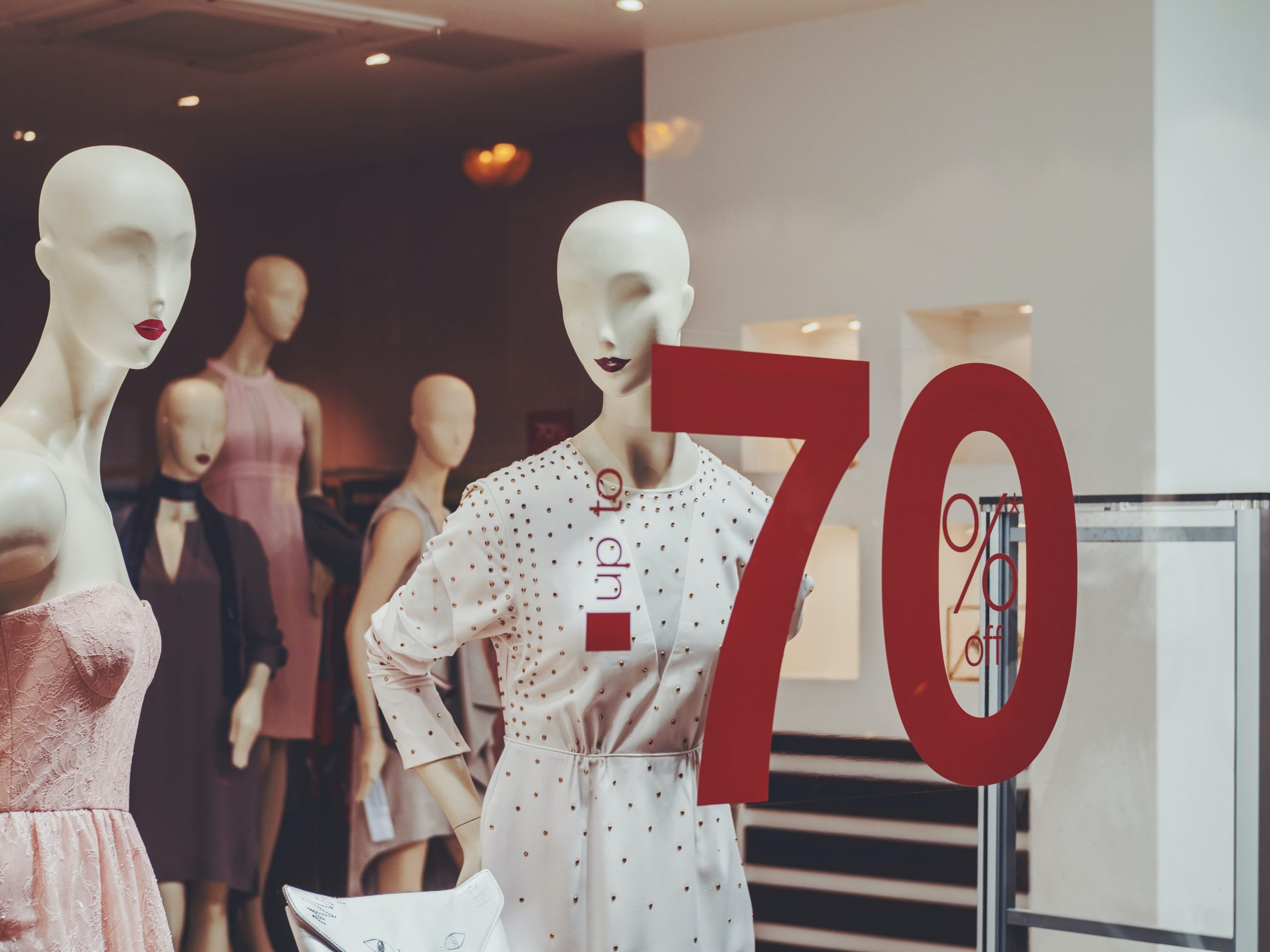
Initially scheduled from Wednesday, June 24 to Tuesday, July 21, 2020, the sales period was postponed from July 15 to August 11 and shortened to 4 weeks instead of the usual 6. The aim was to allow retailers to clear the stock accumulated during lockdown without sacrificing their margins.
The current context, which forced retailers to implement health measures and shifted the dates into the middle of the summer holiday period, made these sales exceptional. What conclusions can we draw from the 2020 summer sales?
An Encouraging Start
For various e-commerce players, the launch of the 2020 summer sales suggested promising results. On the first day of the sales, the Webloyalty Panel, made up of 37 e-commerce websites, recorded a 22% increase in the overall volume of online transactions compared with the previous day (Tuesday, July 14). According to Jerome Keloghlanian (founder of Ikom), their client panel saw non-food revenue increase by 24.6% over the first 3 days compared with the first 3 days of the 2019 sales. Finally, the number of logins among ReachFive’s e-commerce clients doubled on the first day of the sales.
A Disappointing Outcome for Many
Unfortunately, the sales quickly lost momentum and the overall results compared with 2019 were not positive. On the first day of the 2020 summer sales, the Webloyalty Panel recorded a 29% decrease in the overall volume of orders compared with the previous year, with the decline reaching 50% in the fashion sector and 18% in the home sector. In addition, the number of logins and sales dropped just a few days after the sales began.
This overall lack of interest may partly be explained by private sales and pre-sales offered by many retailers as soon as lockdown restrictions were lifted. But we should also remember that, more generally, consumers can now buy discounted products throughout the year.
On Google Trends, the trend shows a slight decrease in searches related to the sales period (summer sales, summer sale, etc.) compared with the previous year, but nothing significant.
Our client panel allows us to observe the 2020 summer sales period (from 15/07/20 to 11/08/20) and compare it with the 2019 summer sales period, which ran from 26/06/19 to 23/07/19. Here are the conclusions we can draw:
- 16.5% increase in the number of clicks
- 15% increase in the number of conversions
- 25% decrease in revenue
- 20.5% decrease in ROAS
- €0.05 decrease in average CPC (€0.25 last year vs €0.20 this year)

Changes in Consumption Habits
Lockdown and the health situation encouraged many French consumers who were not used to shopping online to try this form of consumption, which continues to gain popularity. In the future, the quality of the customer experience will be a key factor in attracting users. Simple authentication that guarantees the security of their data will indeed be essential because “95% of French consumers require a secure environment to share their personal data. Rather than logging in with an email address and password for their various customer accounts, 90% of them would prefer to use new, more secure solutions such as two-factor authentication or biometric identification.”
More and more users are also completing their purchases on mobile: on the first day of the sales, 54% of online orders were placed on mobile compared with 38% the previous year.
Brands adapted the services available in stores to the current context. For example, stores that did not allow customers to try products on-site offered alternative solutions. Etam, for instance, offered customers the option to try items at home and only charged their card if they decided to keep them. Products they did not want had to be returned to the store. These changes in purchasing methods directly benefit e-commerce websites, placing them on an equal footing, or even allowing customers to avoid traveling altogether thanks to increasingly common free returns.
Conclusion
Despite declining interest in sales periods, this period still makes it possible to generate more revenue than usual and clear excess stock. In addition, as in recent months, e-commerce websites were able to benefit from the health situation, which encouraged more online purchases rather than in-store purchases. At Feed Manager, we observed that certain sectors generate more enthusiasm during this period, such as DIY/gardening, indoor/outdoor decoration, children’s clothing, and wellness/health, for example.
E-commerce businesses must now try to retain these new customers by creating, for example, a dedicated audience pool in order to build long-term loyalty. They can also make the online experience as close as possible to trying products in-store: the possibility of using virtual try-on applications (clothing, makeup or furniture); personalized advice via chat or phone; precise product measurements.