How Can You Optimize Your Facebook Ads Campaigns Based on Your Goals?
A company’s Facebook ads can target different audiences, use various formats and pursue different objectives. There are two main strategies: “Brand Building” on the one hand and “Direct Response” on the other. Understanding the differences between them and mastering both is key to the success of any Facebook Ads campaign.
Brand Building: promoting your brand image
Brand Building refers to ads whose objective is to promote the brand itself rather than its products and services as such. Advertising campaigns are designed to generate positive feelings among customers. As a result, the ads focus more on what the brand represents, its vision and its values.
The target audience of a Brand Building campaign
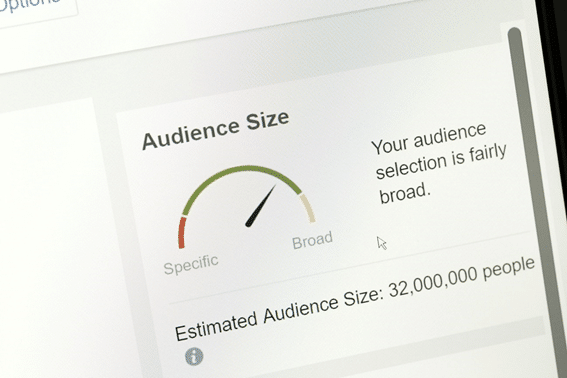
Brand Building is particularly useful when introducing a new brand, when it wants to build a reputation and users have little or no familiarity with its products. Your campaign will therefore target a broad audience, located at the top of the conversion funnel, with the aim of establishing initial contact and creating a first impression of the brand. To reach all individuals who may be interested in the company, the advertising audience will be determined according to the ideal customer (“buyer persona”), while remaining broad enough to reach as many Facebook users as possible. To do this, you can segment your audience by:
- Age group
- Region
- Gender
- Interests
One useful approach is to target users who like businesses that compete with yours.
Which formats should you choose for Brand Building?
In a Brand Building campaign, Facebook ads should convey the essence of who you are and what you sell. To achieve this, use image or collection ads, which are ideal formats for increasing brand awareness or showcasing your brand by presenting a selection of products. In addition to images, they should also include interesting and engaging promotional copy. A corporate video is another effective Brand Building tool, as it can give the company a more human face by showcasing the people behind it and, in turn, generate positive feelings among potential customers.
Direct Response: focusing on products and services
The success of Direct Response lies in “retargeting”: it targets visitors to websites and applications who have already had contact with the brand, using ads focused on its products. Through “pixels”, which track users’ activity online, retailers can target these individuals specifically.
The target audience of a Direct Response campaign
This type of campaign makes it possible to reach a more targeted audience: users who have shown some interest in your brand or a particular product but have not gone on to convert. By retargeting them with ads featuring similar products, you encourage them to reconsider or even complete the purchase of items on your website.
The optimal format for a Direct Response campaign
Direct Response Facebook ads should focus on promoting the products for sale, and nothing else. Images and videos focus on their specific features and characteristics while highlighting their strongest attributes. The most important thing is to encourage users to learn more about the product. To achieve this, the copy should include a “call to action” encouraging the customer to click. These can include actions such as:
- Shop Now
- See Offers
- Contact Us
- Book Now
- Sign Up
- Watch Video
Facebook provides several different ad formats. For example, you can choose carousel ads, which allow you to display multiple product images or videos and generally achieve a high conversion rate. Alternatively, you can use dynamic ads, which automatically promote your products to people who have expressed an interest on your website, app or elsewhere on the Internet. Created automatically, these ads adapt their content using pixel data.
As you can see, once your objectives have been clearly and precisely defined, it is essential to determine which strategy to adopt when creating your Facebook Ads campaign. Using one strategy does not exclude the use of the other. However, it is important to distinguish between them because their purposes are very different. Campaign results should also be measured carefully and regularly so that the budget can be continuously adjusted according to the objectives and results.
Would you like to improve your customers’ experience? In that case, feel free to contact our professionals to benefit from their extensive experience in the industry.