Google is tightening its criteria. 82 CSS listings have been removed from Google Shopping!
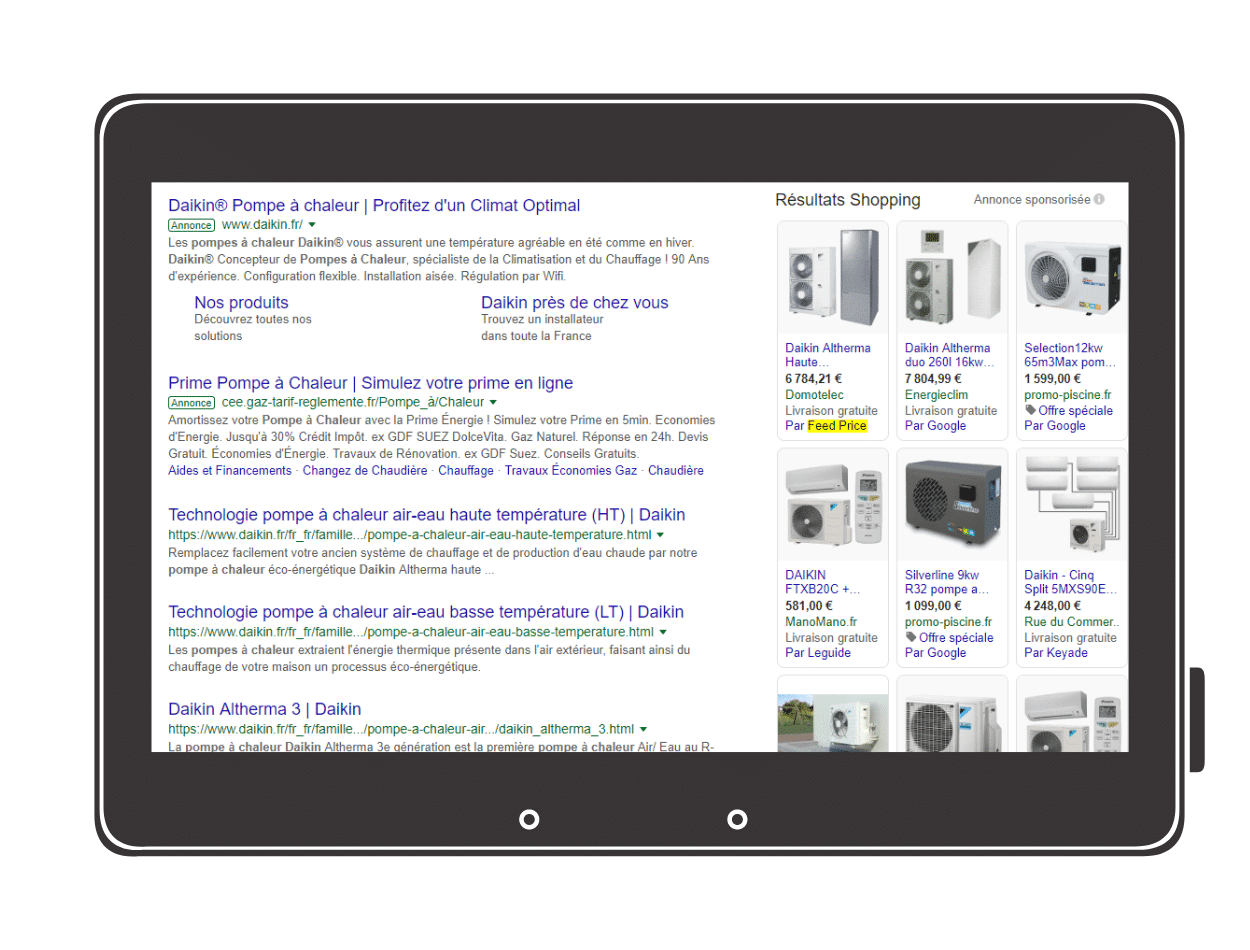
Price comparison services have just undergone a major shake-up. Out of 136 players, 82 have been removed from Google’s partner program. Let’s take a look back at the key stages!
The criteria are getting stricter.
At the beginning of 2019, Google decided to review some of the criteria of its “Google’s CSS Partner Program”.
The objective was to give “a prominent place” back to players considered “legitimate” in the market and to ensure a “good customer experience for users” who are directed to price comparison websites.
From February 20, 2019, the eligibility requirements for displaying offers in the “Product Advertising Space” became stricter. To be able to display its offers, a CSS must now have:
- More than 100 merchants listed on its CSS website
- A catalogue of at least 50 merchants per country in which it displays offers
But that’s not all. Google also revised the eligibility criteria for the “Google’s CSS Partner” program. To remain certified, CSS providers must now:
- Have a catalogue of at least 100 merchants running campaigns on Google Ads via the CSS to qualify as a Google CSS Partner
- Have a catalogue of at least 500 merchants running campaigns on Google Ads via the CSS to qualify as a Google CSS Partner Premium
For several weeks, Google conducted an investigation among CSS providers to ensure compliance with these new criteria and therefore confirm their legitimacy within the “Google’s CSS Partner Program”.
Labelium and its Feed Price and Ikom Shopping brands certified as Google CSS Partners.
Out of the 136 price comparison services, 82 were removed from the “Google’s CSS Partner Program”. They will therefore no longer benefit from privileged support from Google’s teams.
However, their ads will not be stopped as long as more than 100 merchants display their offers through their CSS comparison service.
With a catalogue of 1,300 merchants and eligibility across all major European countries, Feed Manager remains part of the “Google’s CSS Partner” network and will therefore continue to display its advertisers’ offers in the premium placements offered by Google Shopping.
To better understand the context…
A look back at the origins of Google Shopping!
2002: Froogle is launched as a free product comparison service.
In December 2002, Google launched “Froogle”, renamed “Google Product Search” in 2007, a product comparison service. What made it unique? It did not charge companies to have their products included in its comparison results and did not offer a sponsorship or bidding system for appearing at the top of the results. Any company could submit its products or send a request to be listed. Google generated revenue through Adwords advertisements, which appeared on the side of the pages.
2012: the model evolves into a monetized service.
In May 2012, “Google Product Search” became “Google Shopping”… and, more importantly, the model evolved into a monetized service, based on CPC (Cost Per Click). Search results were now determined both by their relevance and by the amount merchants paid to appear on the service.
A major opening to competition.
A first sanction from the European Commission.
In June 2017, the European Commission fined Google a record €2.42 billion for abuse of a dominant position.
According to the Commission’s ruling, Google had given an illegal advantage to its own “Google Shopping” price comparison service in its search engine, to the detriment of competing price comparison services.
Google then had 90 days to modify its search system and comply with the European Commission’s requirements, or face further heavy penalties. The European Commission’s initial decision forced Google to fully open its “Product Advertising Space” to price comparison services.
The creation of the Google’s CSS Partner Program.
A few months later, Google completely revised its system and introduced a common certification program for all price comparison services: the “Google’s CSS Partner Program”.
As explained on the Google CSS Partner website: “The CSS Partner Program helps comparison services and merchants communicate more effectively with shoppers through Shopping ads. After completing extensive training, CSS Partners can help maximize the potential of Shopping ads by providing merchants with seamless access.”
First measure: Google opened its advertising space to other price comparison services, known as CSS (Comparison Shopping Services). To appear in product placements on the Google search engine, several conditions must be met:
- CSS providers must be certified by Google (“Google’s CSS Partner Program”)
- CSS providers must upload their product feeds to their “Google Merchant Center”
- CSS providers must purchase placements through an auction system on Google Ads
Second measure: Google separated its own comparison service and created a distinct entity that participates in auctions in the same way as its competitors. This became an essential requirement for its ads to appear in the top positions of Google Shopping placements.
Third measure: In the interests of transparency and fair competition, Google disclosed its 20% margin on Google Ads CPC and allowed price comparison services to choose the margin they wished to apply.
For example: when using the Google Shopping Europe CSS, for a €1 click, €0.20 is taken by Google Shopping and €0.80 goes toward the Google Ads auction itself. When using another CSS price comparison service, for a €1 click, the advertiser pays only the €0.80 allocated to the Google Ads auction.
Most CSS providers chose not to apply a margin to the CPC (Cost Per Click), instead charging a fixed monthly fee or a fee based on the amount invested. This model proved highly advantageous compared with Google Shopping’s 20% margin.
To encourage advertisers to test this new system, Google also offered a “free advertising credit” during the second half of 2018 amounting to up to 30% of their investment (capped at €32,000/month per merchant website) until October 31, 2018, followed by 5% of their investment until December 31, 2018.
All these measures encouraged the emergence of new CSS providers and innovative purchasing channels for advertisers’ campaigns, such as Feed Price.
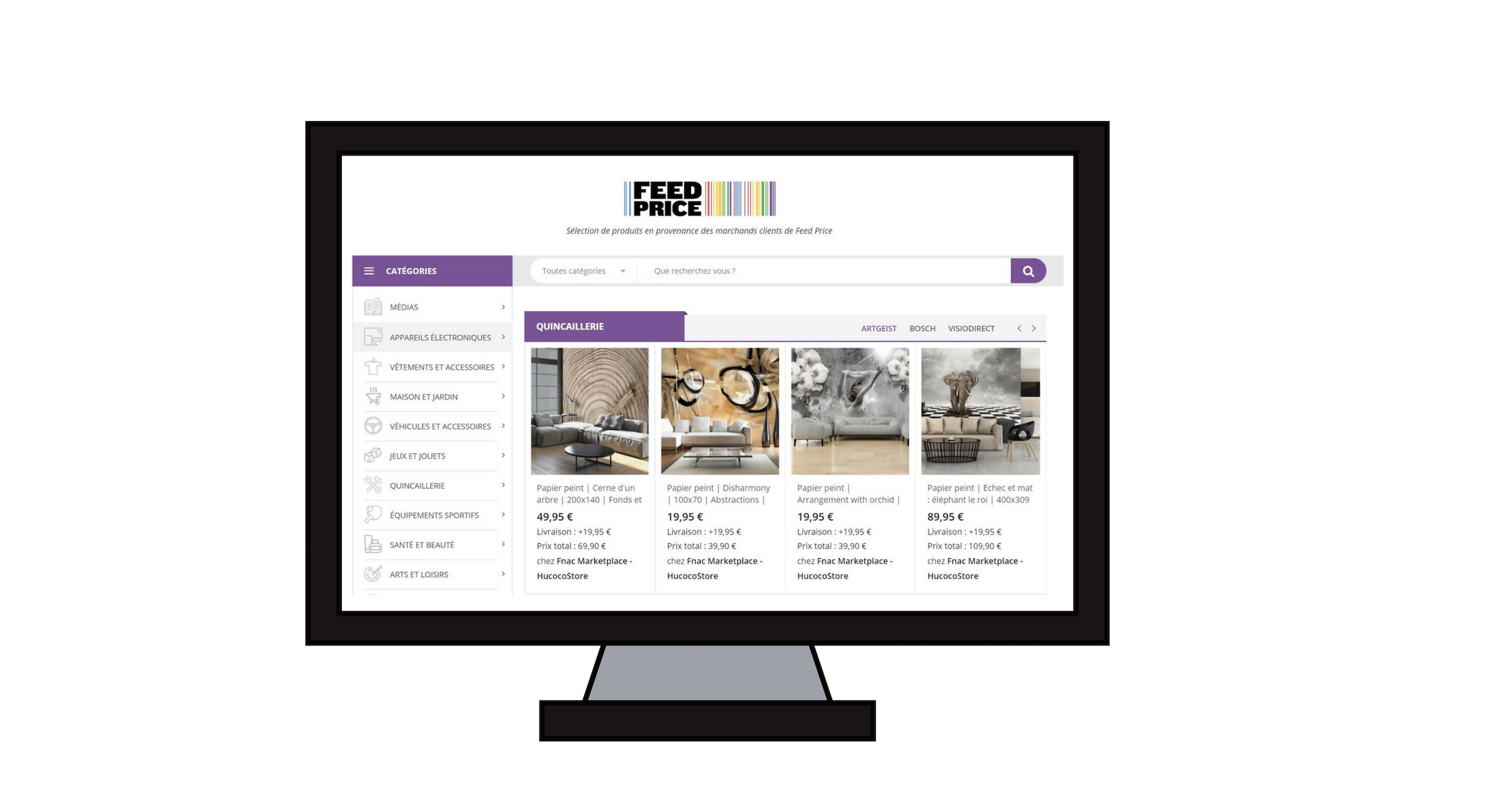
Labelium Group and its CSS providers Feed Price and Ikom Shopping successfully adapted in order to remain “Google CSS Partners” and continue giving their merchants the opportunity to benefit from all the advantages available to CSS providers.