Chinese E-Commerce Giant Alibaba Sets Out to Conquer France

According to information published on May 29 by the Sud-Ouest newspaper, Alibaba’s short-term plans concern France. The e-commerce giant is reportedly preparing to establish a presence in Gironde with the construction of a logistics center in Belin-Béliet. At the end of April, Sébastien Badault, Managing Director of Alibaba France, had already announced that France would be one of the markets where the company would make the most investments in 2020. The Chinese marketplace appears to be aiming to conquer Europe, which would bring major changes for brands, advertisers and other platforms such as Amazon. But what would this arrival in France imply?
What Is Alibaba?
Founded in 1999 by Jack Ma, Alibaba is the Chinese e-commerce giant, which has also expanded its activities into finance, cloud computing, cinema, hospitality and food services. Its famous marketplace, AliExpress, is available worldwide across 230 regions and its figures speak for themselves: it has more than 150 million active buyers and 200 million monthly visits. With 6.5 million downloads in March, its mobile app ranked second among the world’s top five shopping apps. Omnipresent in its home country, the company is now building out its logistics network across Europe and the rest of the world, to the point of becoming Amazon’s main competitor, its American counterpart and the global leader.
Europe, a Strategic Choice for Its International Expansion
For several years, Europe has been a target of Alibaba’s international development strategy, with the company gradually positioning itself to win over consumers, but also and above all local businesses. Its intentions appear clear: to dominate the e-commerce market by convincing European SMEs to use its services.
Timeline of Its Rise
In 2018, Jack Ma’s company announced the establishment of its first European logistics hub at Liège Airport in Belgium, where it planned to invest more than €100 million in the construction of a 30,000 m2 warehouse on a site that already covered 220,000 m2. This logistics center was set to become its European hub by the end of the first half of 2021. Since then, it has also established a railway line connecting Liège to China. Thanks to this air-rail multimodal system, Alibaba has a major advantage in reducing delivery times and achieving its goal of 72-hour delivery outside its borders.
In 2019, it successively opened its first physical AliExpress stores in Europe. For this, it chose Spain, its third-largest market outside China after the United States and Russia. Madrid, followed by Barcelona, therefore opened their doors to the Chinese giant, which has since been developing its New Retail concept there, combining online and offline commerce.
This desire to create a link between online and offline is a principle that is important to Alibaba, which wants to continue its expansion through physical initiatives that allow it to go beyond digital, as Sébastien Badault, Managing Director of Alibaba France, explained in an interview with LSA Commerce Connecté magazine at the end of April. He notably stated that “the French market is one of those where there will be the most investment during the year,” and his statements strongly suggest that Alibaba will soon strengthen its presence in the French market, where it is still a relatively new player.
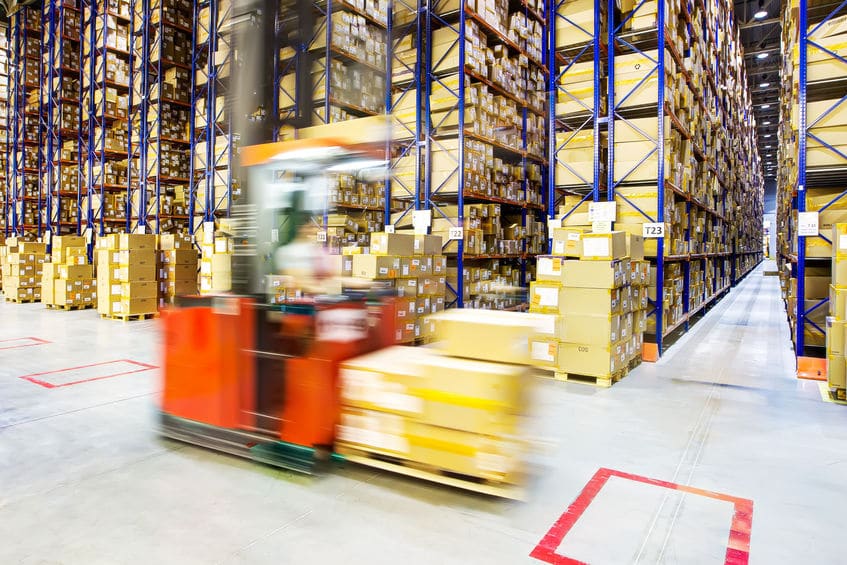
Preparing parcels for delivery in a logistics center
Rumors of Alibaba Establishing Operations in Gironde
At the end of May, the Sud-Ouest newspaper published an article announcing Alibaba’s establishment in Gironde. The information has not been confirmed by the company, which, according to the media outlet, is considering building a logistics platform consisting of 71,000 m² of buildings across 19 hectares in Belin-Béliet in the Val de l’Eyre. A major project that would also create 300 direct jobs.
A Disruption of the French Marketplace Landscape
Following the arrival of the AliExpress marketplace in France in 2018, its agreement with Relais Colis and the opening of the platform to French brands in 2019, the creation of this logistics center would once again demonstrate the group’s ambition to establish itself in Europe among consumers by allowing businesses to benefit from its digital infrastructure, unique integrated solutions and global reach, enabling them to expand their presence in international markets.
It is likely that this establishment would disrupt the French marketplace landscape by destabilizing the existing order in the current market. From a feed perspective, we are curious to see what specifications Alibaba will require and whether the mandatory attributes will be similar to those of its main competitors, Amazon, Cdiscount, etc.
Which French partners will Alibaba decide to team up with for its technical implementation?